
Seyhoun art gallery • Iran. tehran
Improvisation | painting & installation | seyhoun art galleri
2026-09-13 — 2026-12-13
Curated by
Milad Zeynali
These are not all a single event; they are things we do not know about, but a scent of them reaches us.
Where is this world? Why is it here? Why us? Why not someone else? Why me? Why now, at two in the morning? Why seven? Why nine? Why a cow? Why a dog? Why an elephant? Why a rhinoceros? Why volume? Why form? Why matter? Where am I? Which planet is my mind grappling with? Which galaxy is my mind preoccupied with? Which part of the plant is my mind entangled with?
In the lucidity of Arezoo's dream, she travels to the depths of the flower's flag and sees my dog within it, and sees my inner forms within it.
Which part of the plant am I? Which green soul of the plant am I involved with? Which one am I?
Where is my soul on my canvas? My soul flows within my canvas, my canvas flows within my frame, and that frame is mounted on the white wall of my mind.
Which sentence am I grappling with? Where is my religion and my creed's work on my canvas?
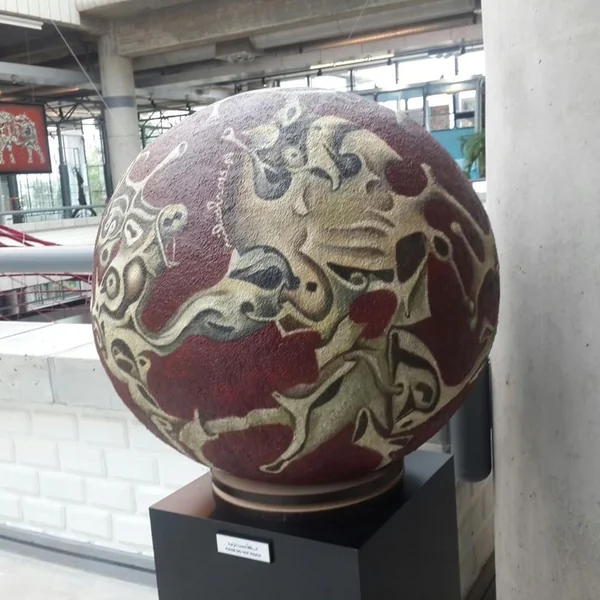
Are these spinning circles mine? Why do they spin? Are the forms upon them my inner line? Is it the line of my soul? Their rotation is the turning of my own head.
The round frames came to me as a sudden revelation in the morning, and I act upon building them.
Where am I in this circle of painting? Where am I in this circle of life?
My sculptures speak of my paintings, and my paintings speak of my soul, and my soul is mounted on the wall and communicates with its audience.
My cow is lonely, just like me. It has nowhere to go; it cannot go anywhere. It is imprisoned within my frame, and I am imprisoned within the frame of time.
Time is short for me. I will overcome time. My work proceeds by itself, whether time exists or not. For me, time and place do not exist.
I am constantly thinking about everything, small and large, meaningless, meaningful. Bad, good, art. My own work, my soul, my events, my connections.
I am fine. I feel like flying. I feel a desire to break out from within me. I feel the pleasant sense of eternal solitude, and I want to join my cow. I want to understand my inner cow, for it is the splitting of my body—it is my self-recognition of myself. My cow is me, and I am the cow. I graze in the pasture of life, eating the weeds of my thoughts.
Thoughts flutter in the mind and make my mind soar. I have a strange feeling. I feel lightness in my head. My eyes stare at the paper, and my hand stops and moves again. I pour my mind onto the paper. It is a strange, intimate feeling. My legs fall asleep, my brain freezes, but my cow continues to look at me.
The cow is my mind. The cow does not have one layer; the cow has a thousand layers. How much it resembles my soul. The cow is mine.
Milad Zeynali
Spontaneous Text, Unedited
For the First Exhibition
Tehran, Seyhoun Gallery
October 2014
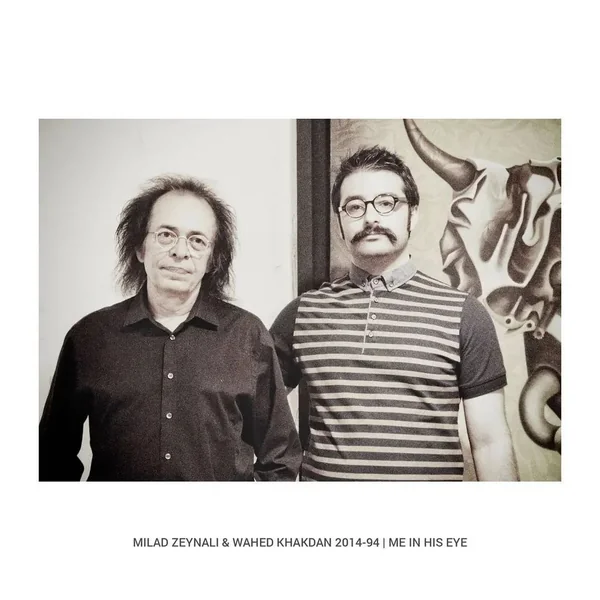
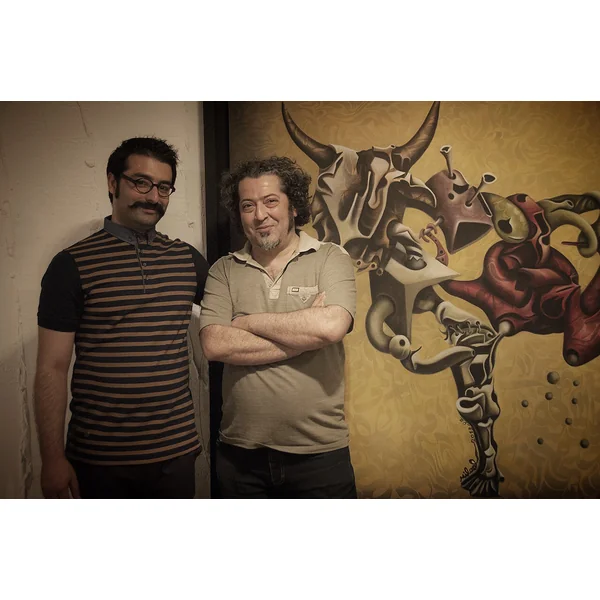
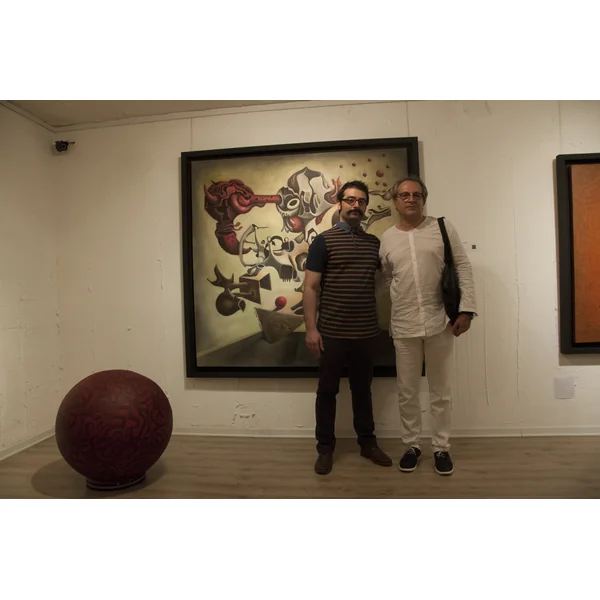
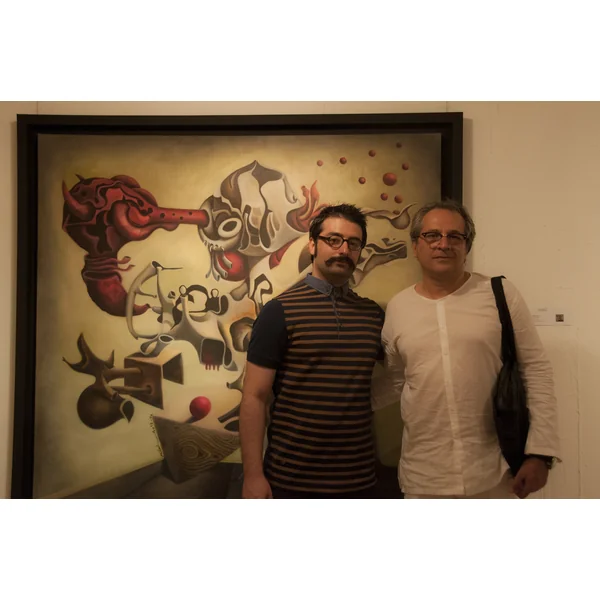
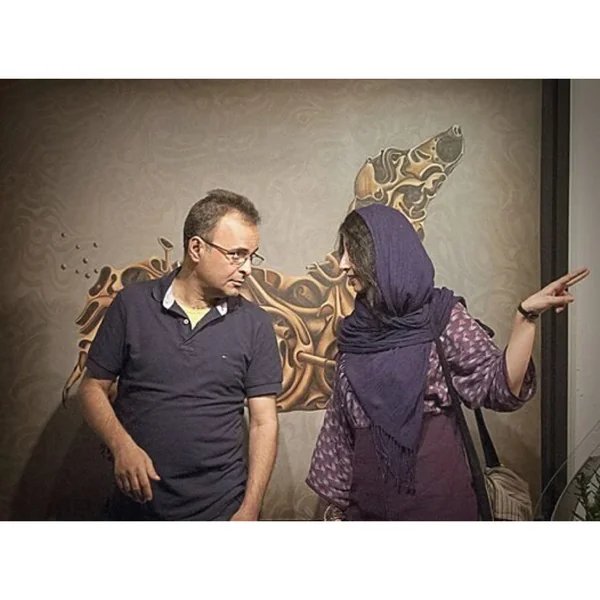
Milad Zeynali and Wahed Khakdan at Seyhoun Gallery
Wahed Khakdan's presence at Milad Zeynali's first exhibition at Seyhoun Gallery, June 2015
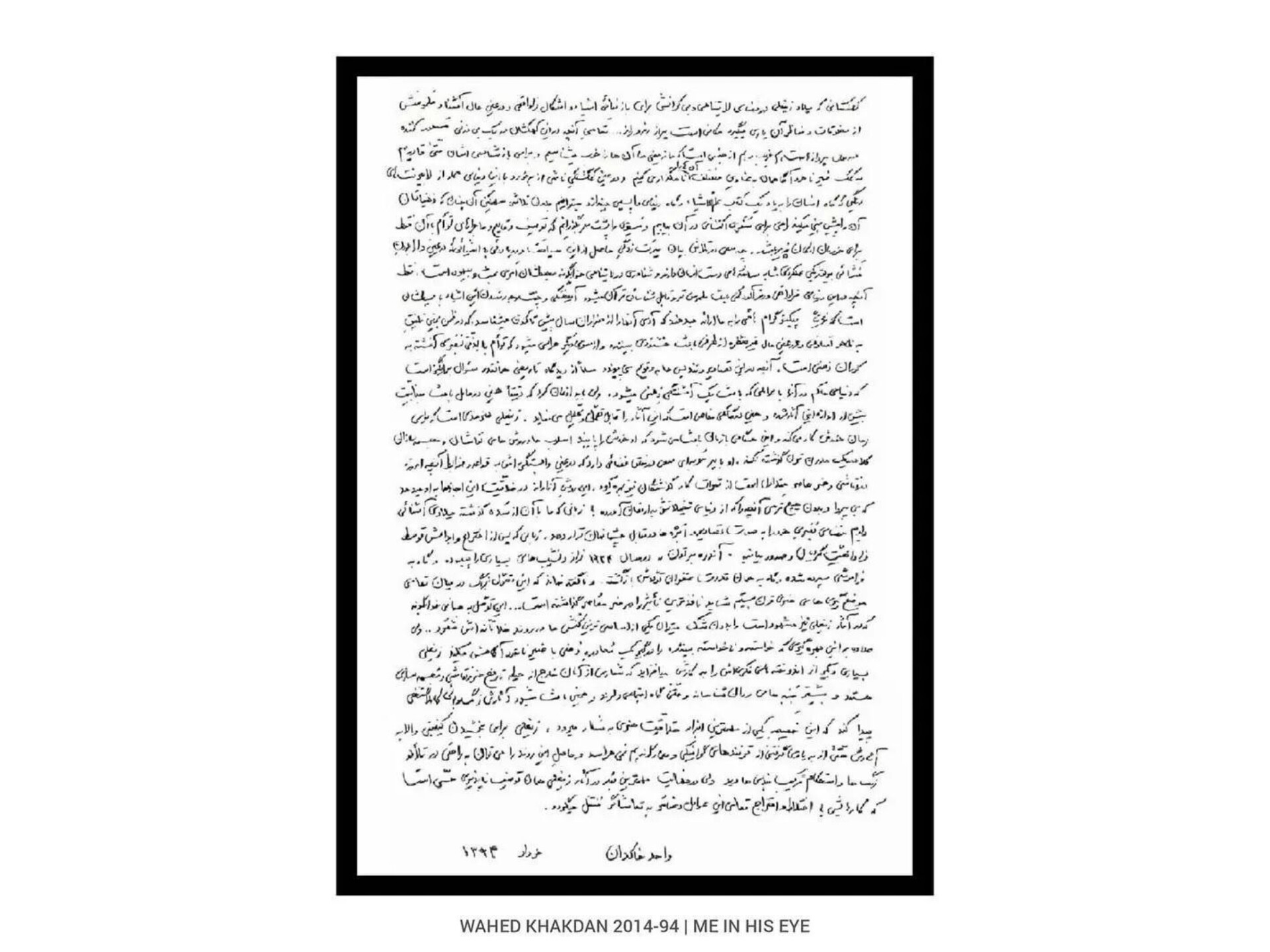
The text by Wahed Khakdan about the works of Milad Zeynali
The galaxy that Milad Zeynali draws upon for the representation of his super-real, yet familiar and tangible objects and forms—creatures and landscapes—is a space brimming with mystery and enigma.
Everything floating in this galaxy, suspended in mesmerizing zero gravity, is simultaneously strange and of a nature that we, as earthbound beings, know well. We are even capable of recognizing and naming them using our subconscious, assigning them various titles. Despite encountering this world, which is rife with colorful labyrinths that sometimes evoke a natural history book and at other times the world hereafter, we can, without tremendous effort, discover a path for an exploratory journey, traversing a course where the description of the accompanying events and adventures is possible only for ourselves. Any attempt to convey the astonishment resulting from this voyage and the confrontation with objects that, despite their biological origins, function like man-made constructs, while floating in the infinite, dream-like environment, would be a futile and vain endeavor.
What makes this super-real and enigmatic world slightly more tangible and identifiable is its seamless blend and interlocking with its environment. Ultimately, this offers us pictograms that humanity has known for thousands of years. Such a seemingly accidental, yet unexpected, fusion delights the viewer on one hand and, and on the other, induces a delightful visual terror intertwined with a mental rush. The events unfolding in these images are, from a historical perspective, as certainly thought-provoking as the world governing them—with factors that cause mental turmoil. However, it must be acknowledged that these two very factors are precisely what lend an excessive fascination to these works; it is this specific duality that makes them worthy of contemplation and analysis.
Zeynali is an artist who works for his own time. This synchronicity with the present moment ensures that he does not confine himself to the principles and methods of the classical Modern painters and sculptors of the last century. He strives, through every device, to create a space that, while inherently adhering to the rules and conventions prevalent in contemporary painting and art, still benefits from the achievements of his predecessors. This creative approach allows him to fearlessly present the visual language of his fantasies, through images and objects, using a vocabulary we have known since the last century—a language which, since its invention and the issuance of André Breton's manifesto in 1924, has traversed many ups and downs, sometimes being forgotten and sometimes returning with the same power of its nascent period. It should be noted that this major transformation, among all the artistic stances of the twentieth century, has perhaps exerted the most profound influence on contemporary art.
This recourse to a dream-like world, also evident in Zeynali’s works, can undoubtedly be considered one of the most fundamental actions in his creative process. Beyond this utilization, which deliberately or subconsciously engages the viewer in a mental dialogue with their unconscious, Zeynali adds many other intellectual resources to his work. Some of these aspects fall outside the realm of art history, painting, and sculpture, leaning more towards psychological and sometimes even social dimensions. This is what lends a profoundly personal character to his work—a characteristic regarded as one of the most vital tools of artistic creativity.
Zeynali does not hesitate even to employ graphic and architectural devices to bestow sublime quality upon his work. The result of this process can be seen in the shimmer of colors and the solidity of the compositions. Ultimately, however, the most critical dimension in Zeynali's work remains the indescribable sensation that his pieces transmit to the viewer through the blending and amalgamation of all these elements and factors.
Wahed Khakdan
June 2015
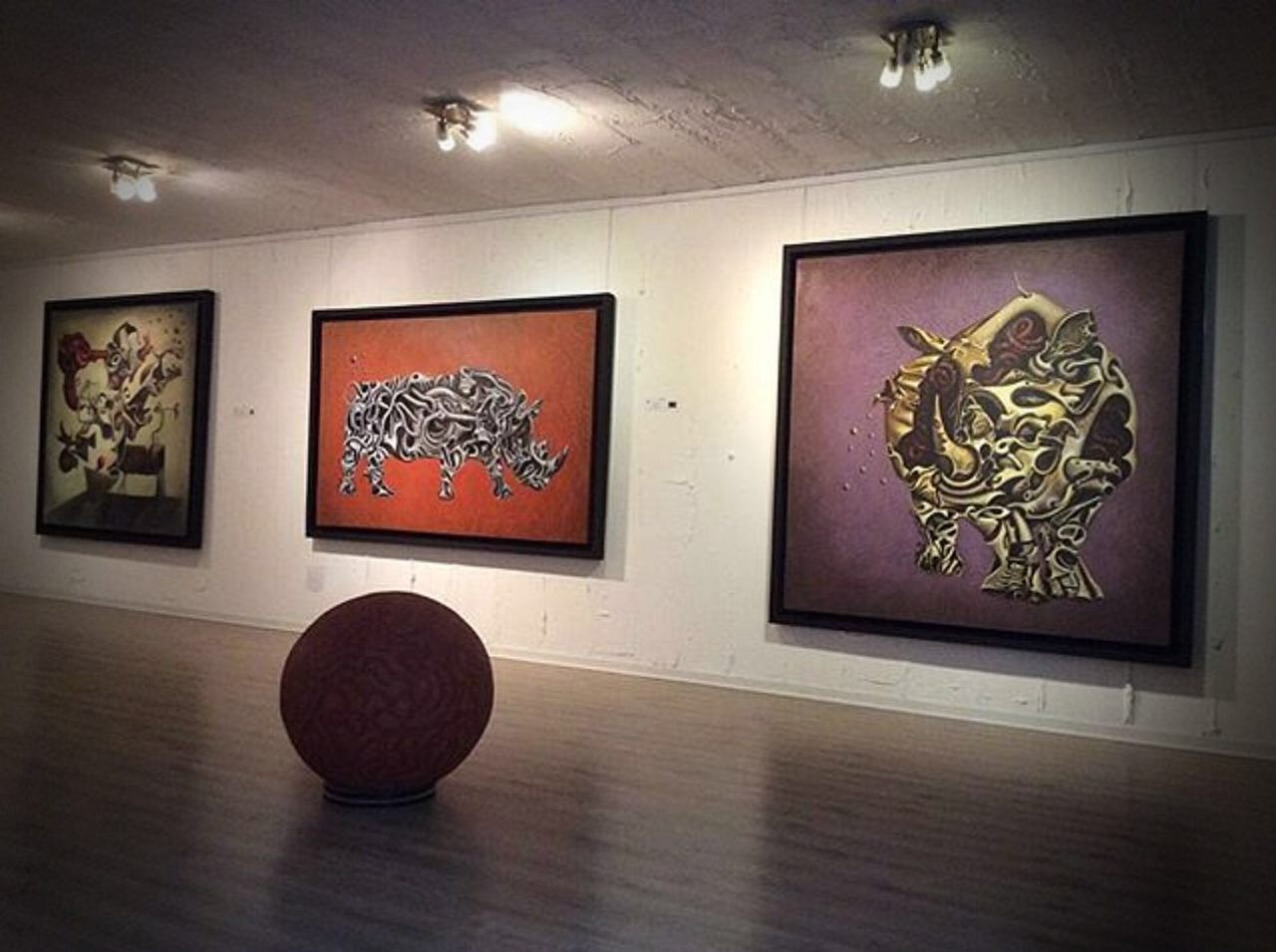
Improvisation | seyhoun art galleri | June 2015
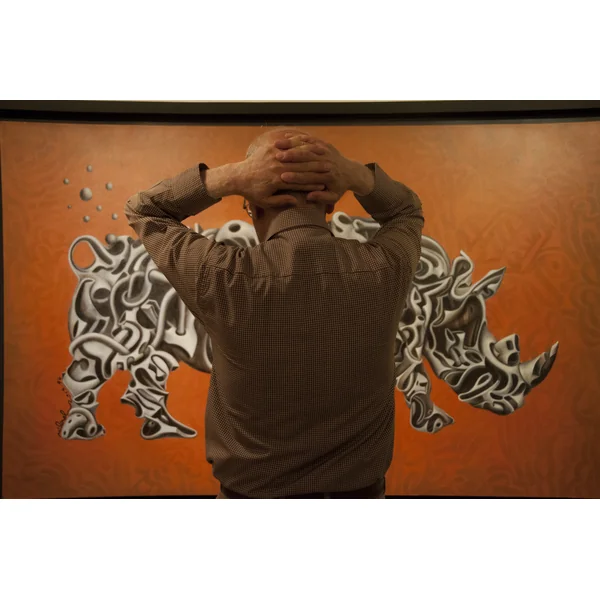
A view of Rhinoceros from the front, Rhinoceros in profile, and a mental/improvised work at Seyhoun Gallery 2
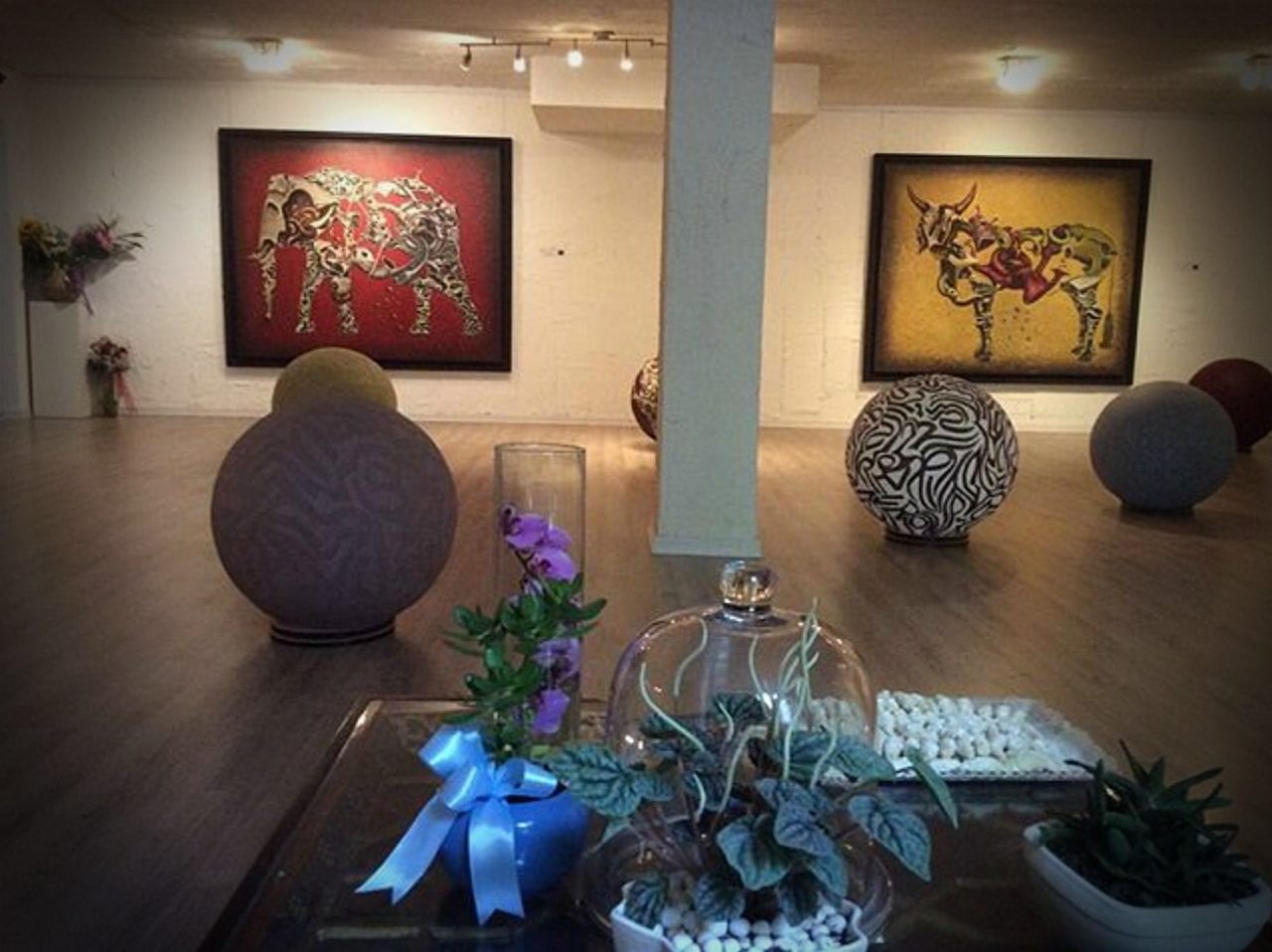
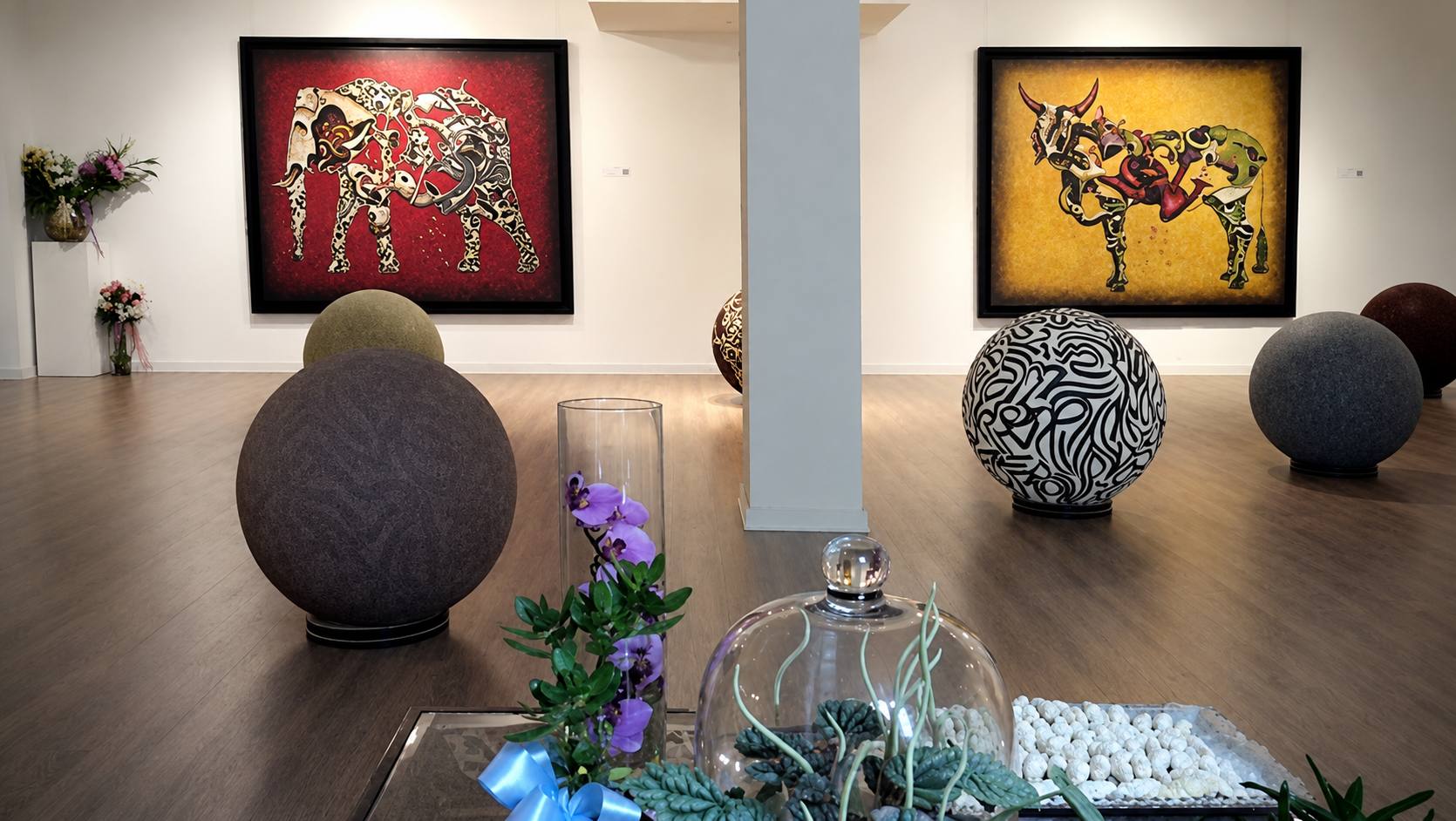
Improvisation | seyhoun art galleri | June 2015
A view of the cow, the elephant, and the spinning spheres at Seyhoun Gallery 2
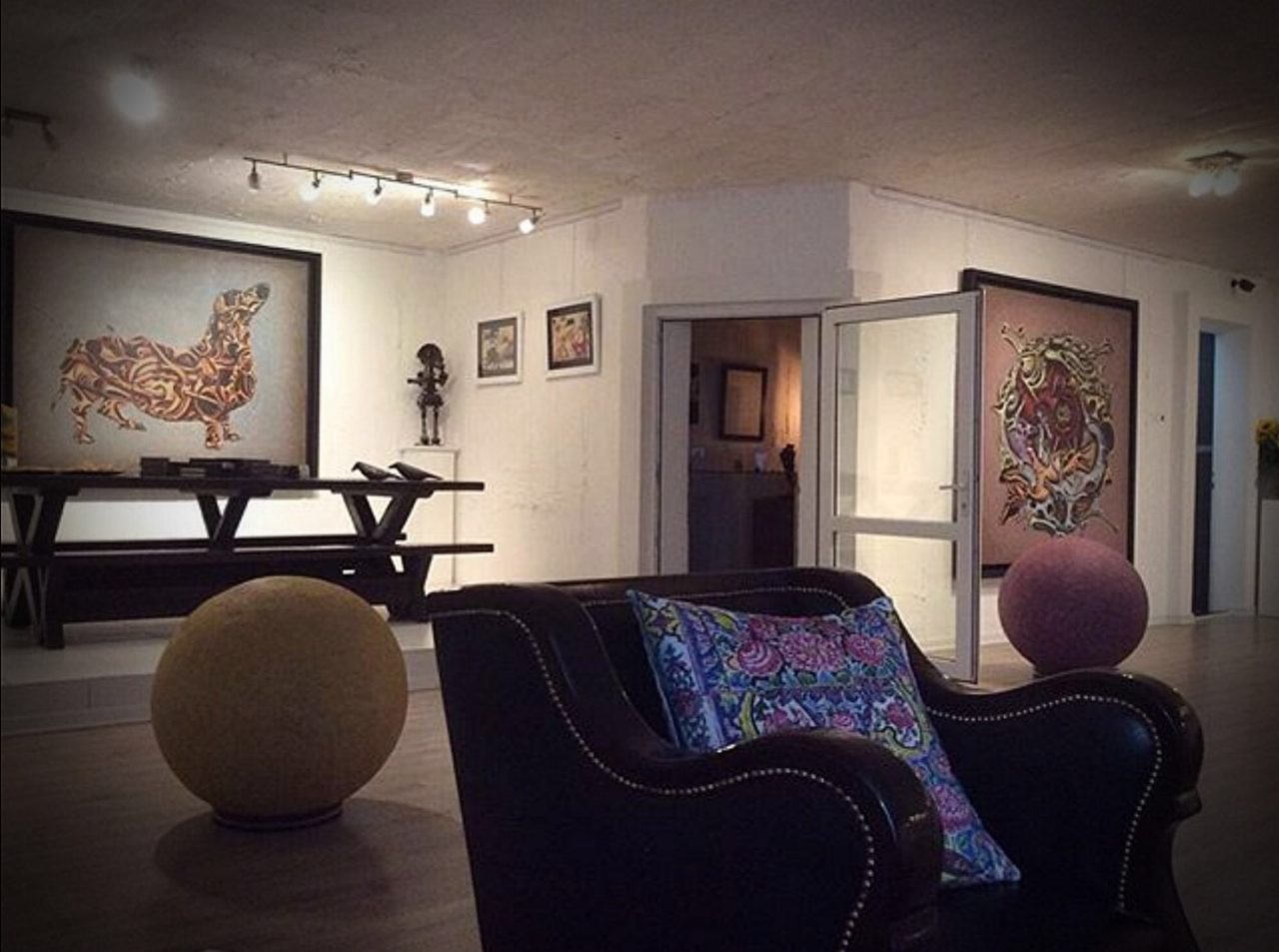
Improvisation | seyhoun art galleri | June 2015
A view of the final abstract piece and the work Dog and Two Spheres at Seyhoun Gallery 2
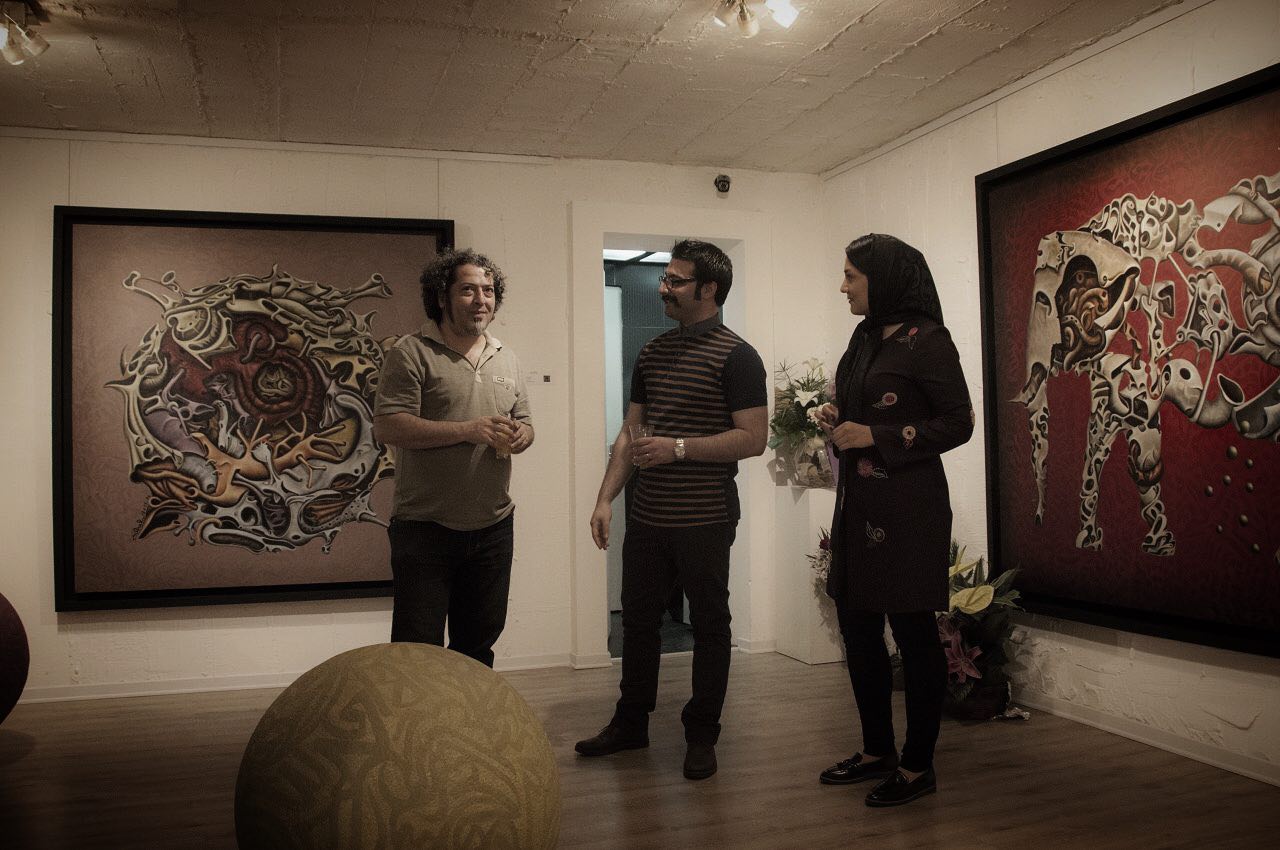
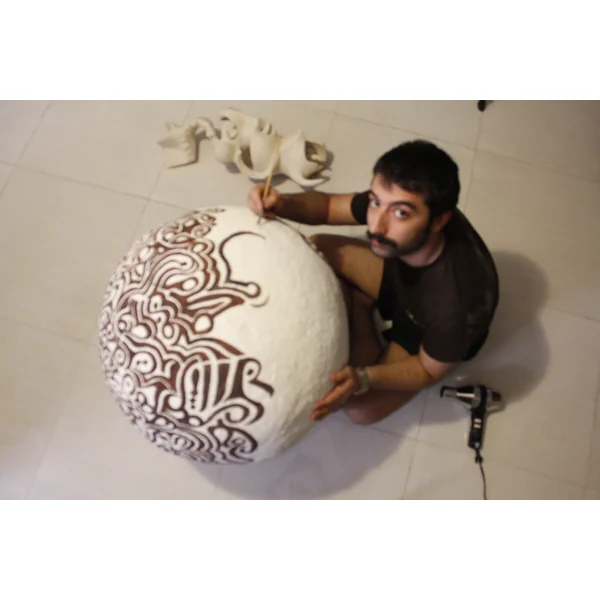
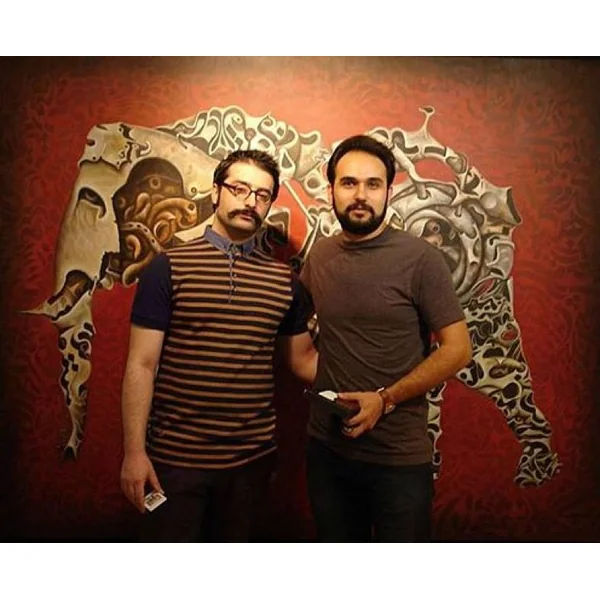
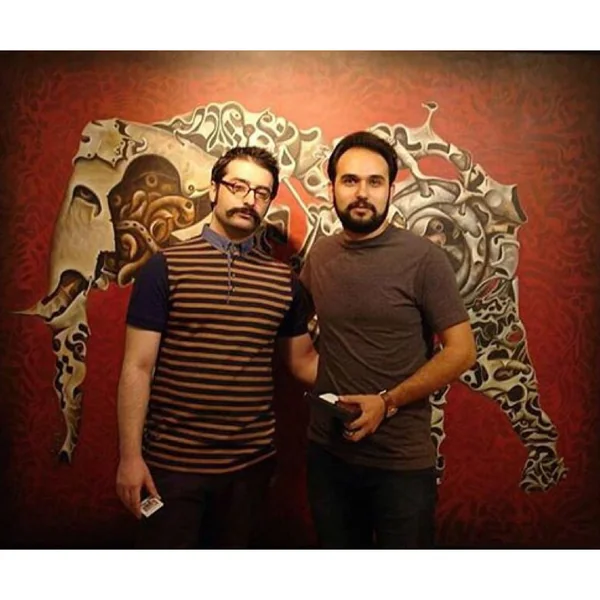
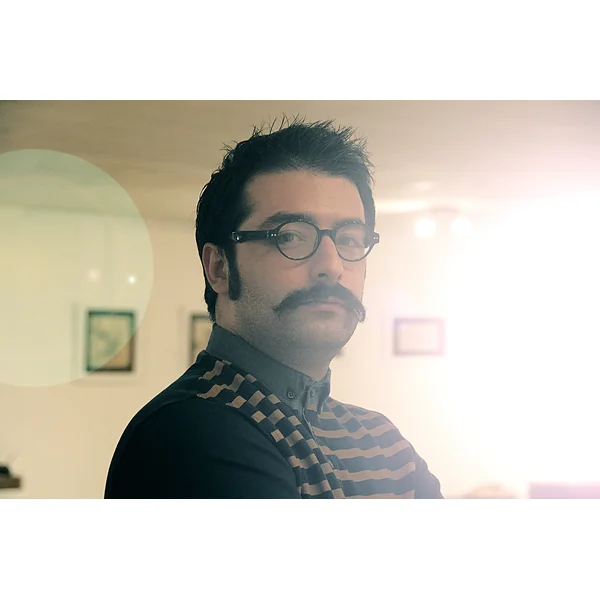
Milad Zeynali and Vahid Nasirian at Seyhoun Gallery
Vahid Nasirian's presence at Milad Zeynali's first exhibition at Seyhoun Gallery
Photography & Studio Archives #027
Archival photographic captures, historic workshop documentation, and artistic references.
Photography & Studio Archives #028
Archival photographic captures, historic workshop documentation, and artistic references.
Photography & Studio Archives #030
Archival photographic captures, historic workshop documentation, and artistic references.
Photography & Studio Archives #050
Archival photographic captures, historic workshop documentation, and artistic references.
Photography & Studio Archives #052
Archival photographic captures, historic workshop documentation, and artistic references.
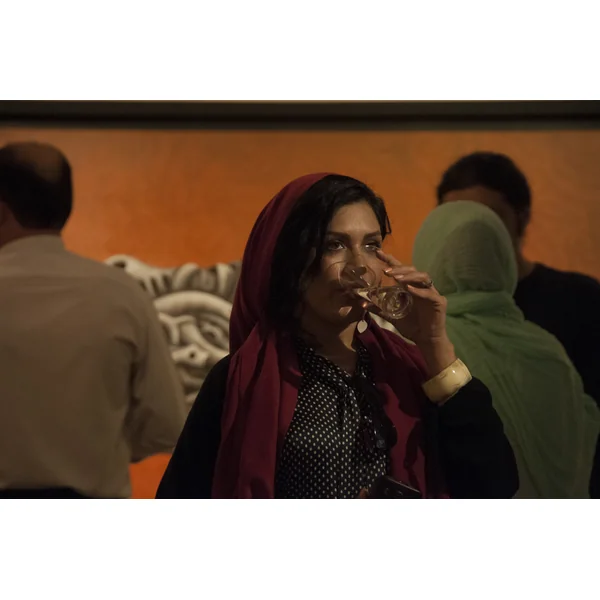
Photography & Studio Archives #053
Archival photographic captures, historic workshop documentation, and artistic references.
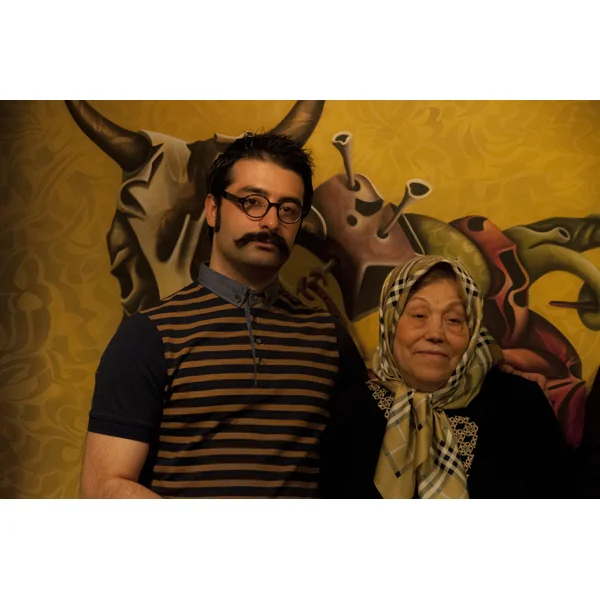
Photography & Studio Archives #055
Archival photographic captures, historic workshop documentation, and artistic references.
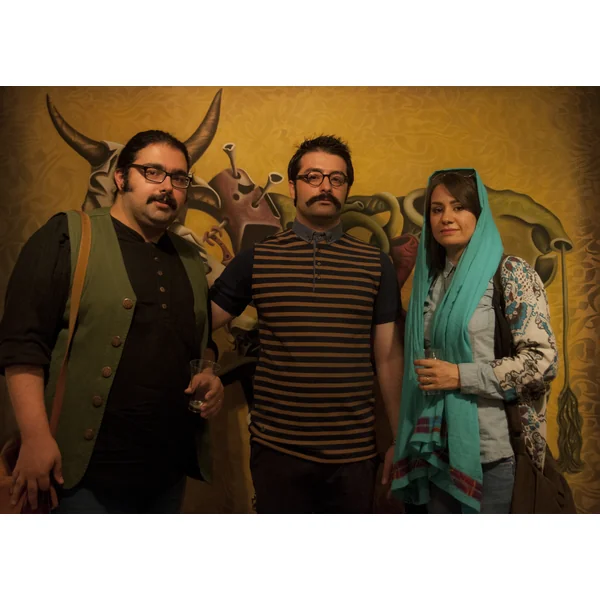
Photography & Studio Archives #056
Archival photographic captures, historic workshop documentation, and artistic references.
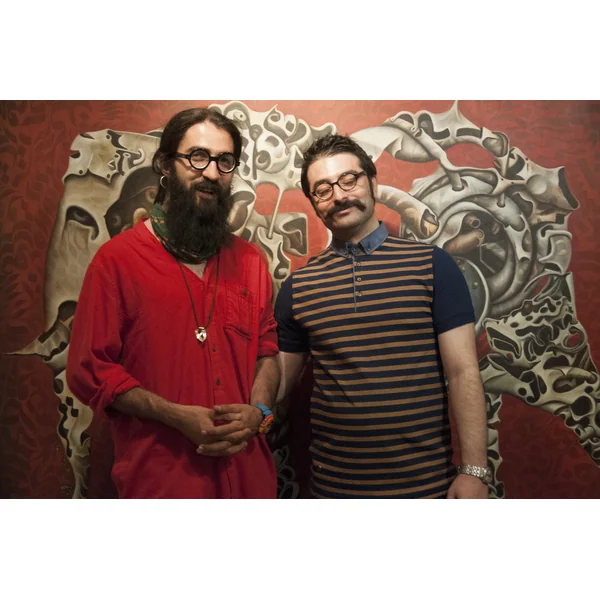
Photography & Studio Archives #057
Archival photographic captures, historic workshop documentation, and artistic references.
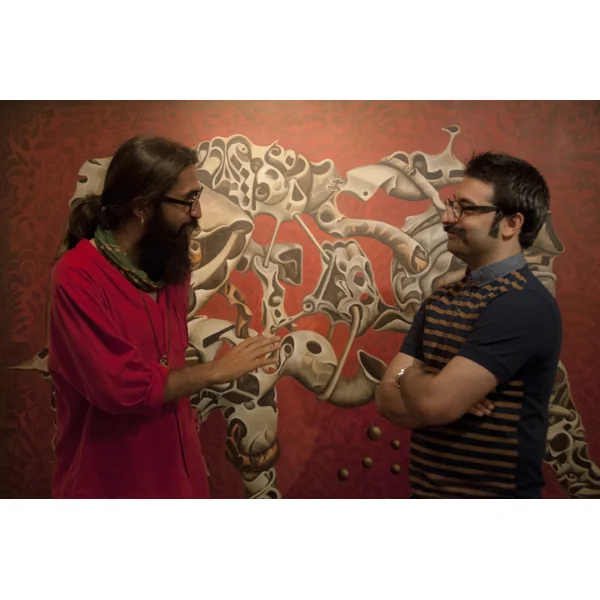
Photography & Studio Archives #058
Archival photographic captures, historic workshop documentation, and artistic references.
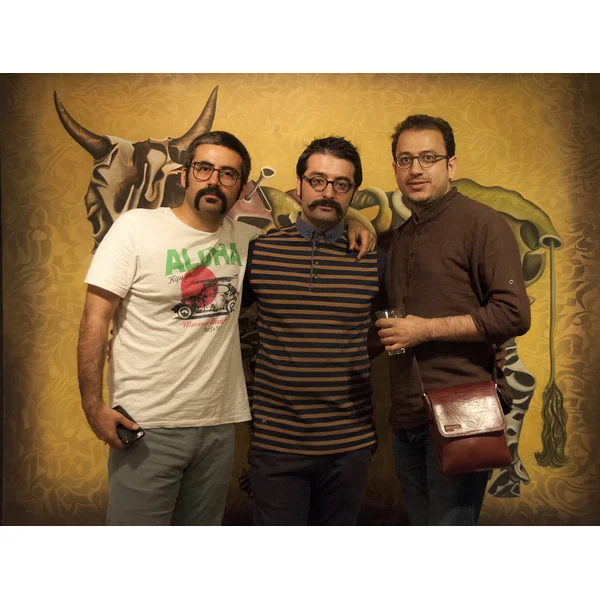
Photography & Studio Archives #059
Archival photographic captures, historic workshop documentation, and artistic references.
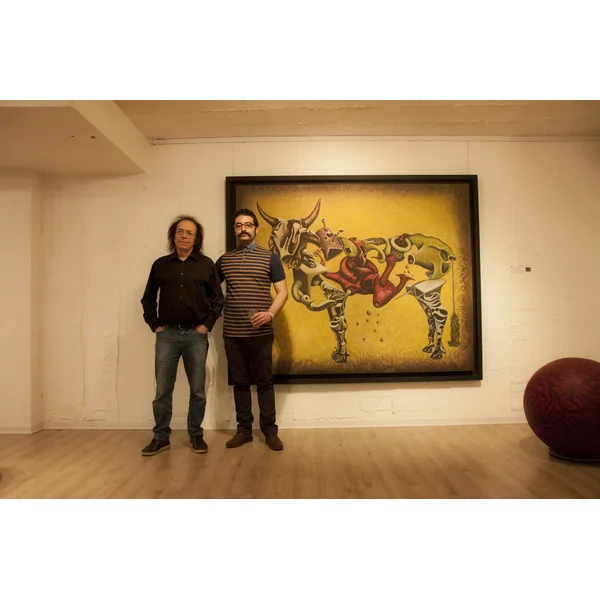
Photography & Studio Archives #060
Archival photographic captures, historic workshop documentation, and artistic references.
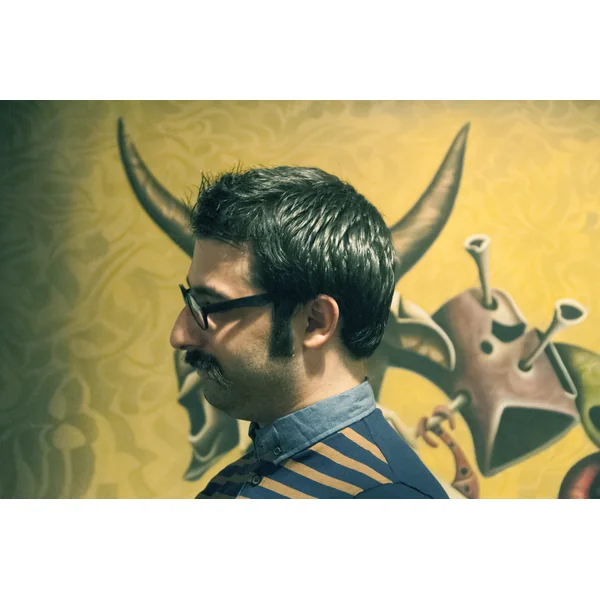
Photography & Studio Archives #061
Archival photographic captures, historic workshop documentation, and artistic references.
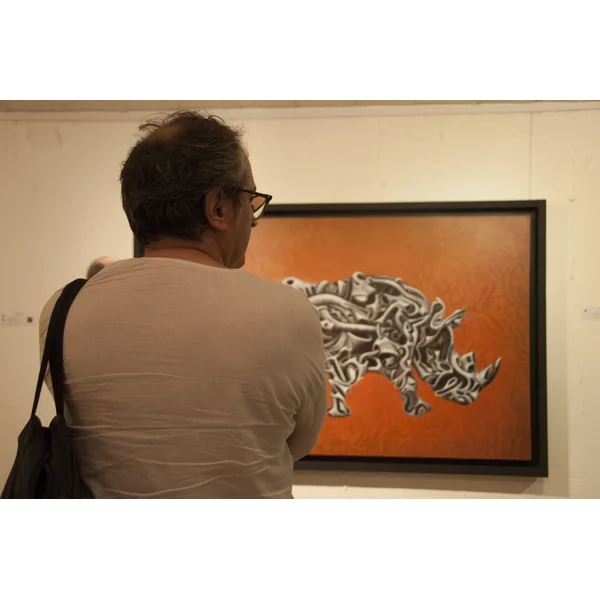
Photography & Studio Archives #062
Archival photographic captures, historic workshop documentation, and artistic references.
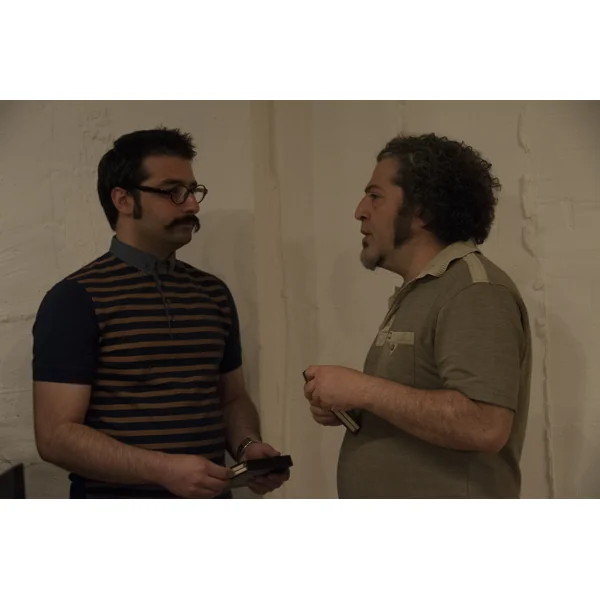
Photography & Studio Archives #063
Archival photographic captures, historic workshop documentation, and artistic references.
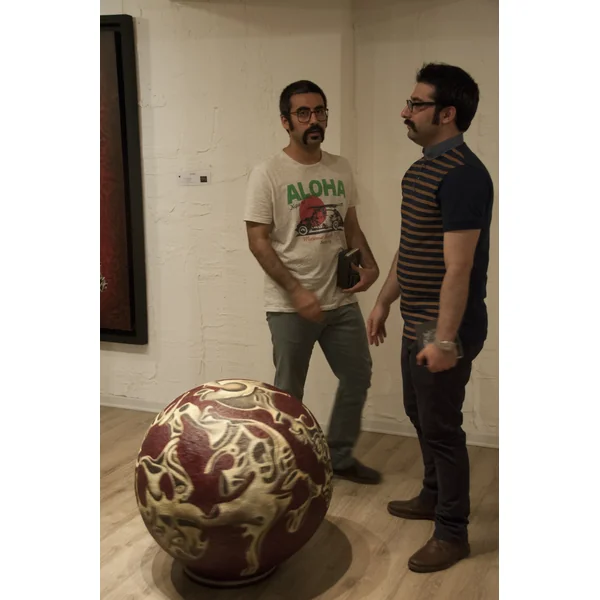
Photography & Studio Archives #064
Archival photographic captures, historic workshop documentation, and artistic references.
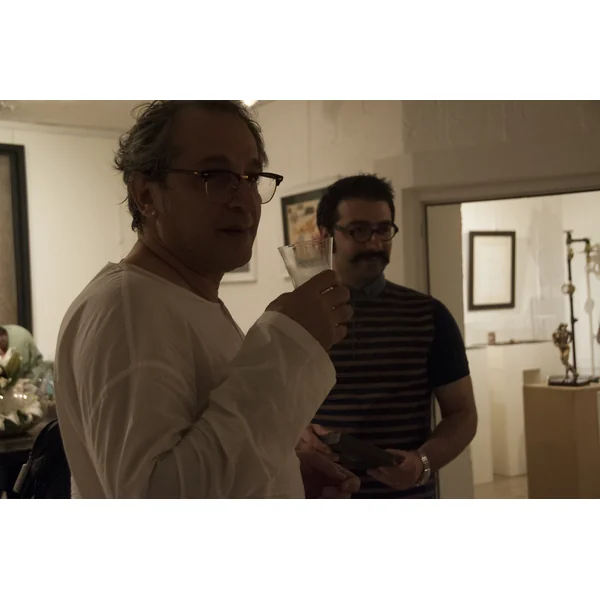
Photography & Studio Archives #065
Archival photographic captures, historic workshop documentation, and artistic references.
Photography & Studio Archives #066
Archival photographic captures, historic workshop documentation, and artistic references.
Photography & Studio Archives #067
Archival photographic captures, historic workshop documentation, and artistic references.
Photography & Studio Archives #068
Archival photographic captures, historic workshop documentation, and artistic references.
Photography & Studio Archives #037
Archival photographic captures, historic workshop documentation, and artistic references.
Photography & Studio Archives #038
Archival photographic captures, historic workshop documentation, and artistic references.
Photography & Studio Archives #049
Archival photographic captures, historic workshop documentation, and artistic references.
Photography & Studio Archives #054
Archival photographic captures, historic workshop documentation, and artistic references.
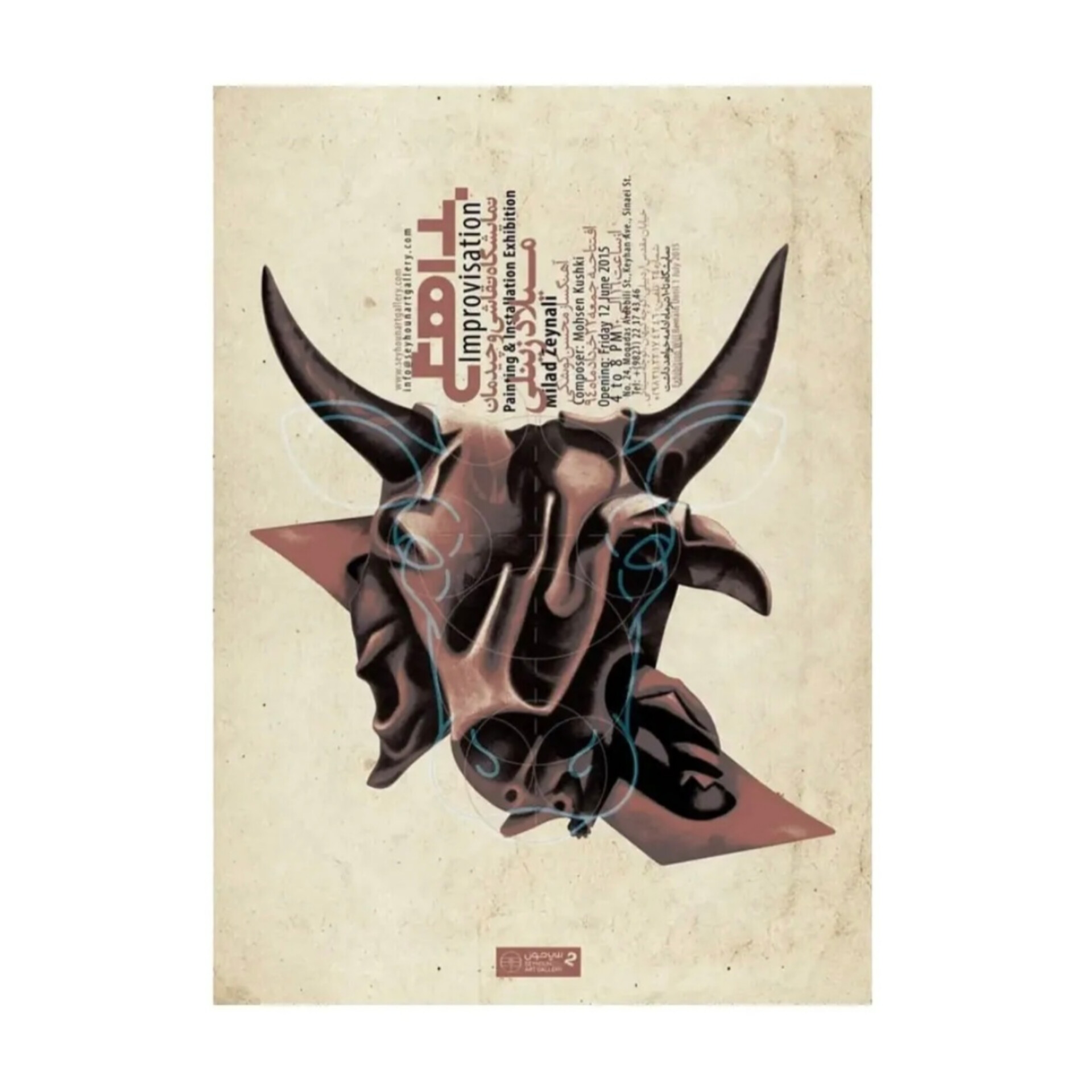
Exhibition poster
The first poster for the "Bedahagi" (Improvisation) exhibition was designed by Hamed Hakimi at Mashq Studio in 2015 (1394 SH), based on Milad Zeynali's second artwork. The poster was printed using offset printing in a run of one thousand copies.
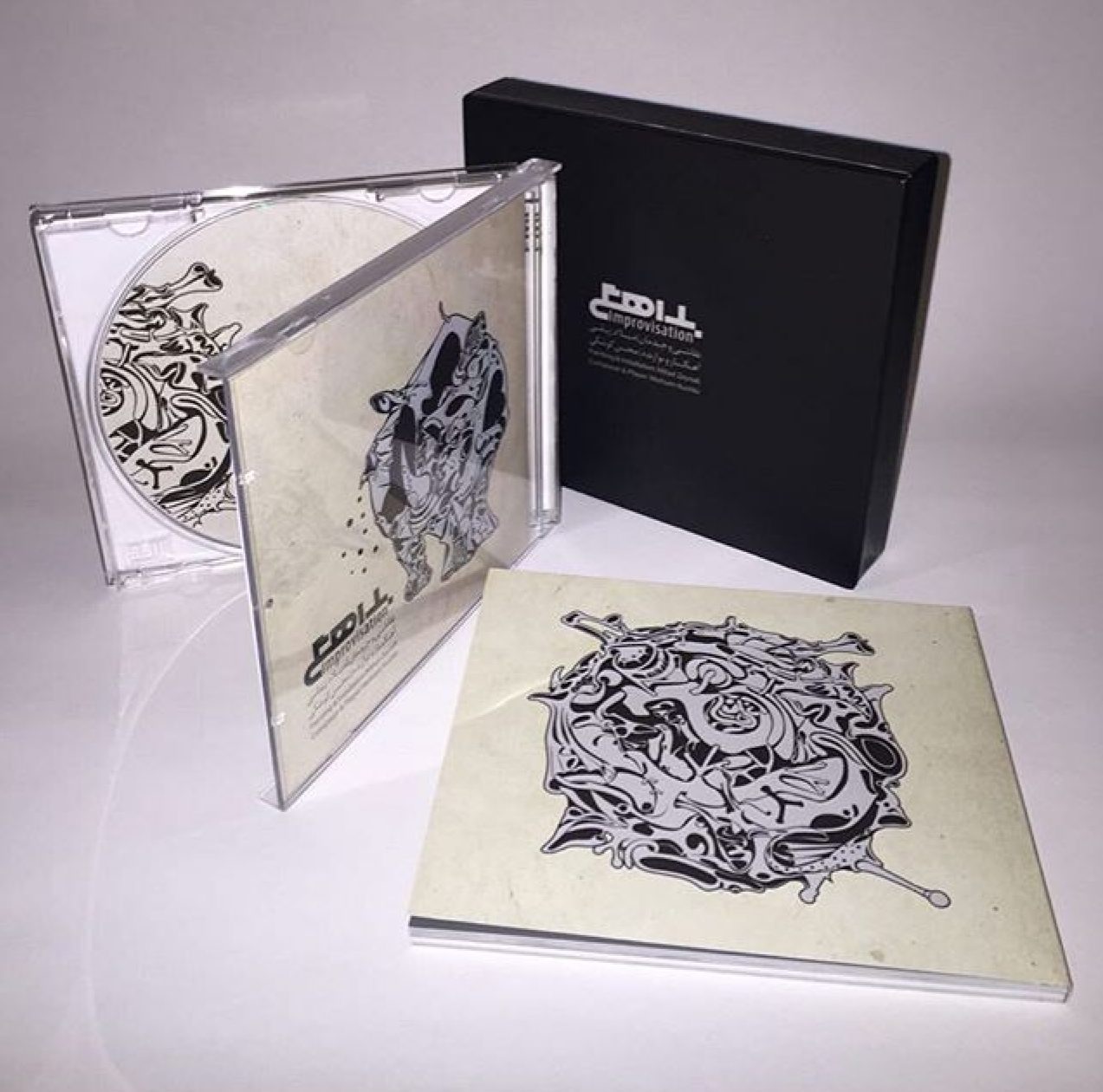
Exhibition catalog
The catalog for the "Bedahagi" (Improvisation) exhibition was designed by Hamed Hakimi and Masoud Jazani at Mashq Studio, and was released together with a CD featuring original printing, containing seven musical pieces composed by Mohsen Koushki, a friend of Milad Zeynali from his military service days. This catalog was also printed in a run of one thousand copies and was made available to the audience free of charge.